Aluminium vs uPVC windows: which one fits your openings
A criteria-based comparison for homeowners and architects in Karnataka and Goa, written by an aluminium supplier who will tell you when uPVC is the better answer.
THE SHORT ANSWER
Neither material wins on every point, and the glass often matters more than the frame
uPVC conducts far less heat than bare aluminium, and it is usually cheaper per square foot. Aluminium allows slimmer frames, larger panels and a wider range of finishes. A thermally broken aluminium frame closes much of the heat gap, which is why the sensible comparison is uPVC against thermally broken aluminium with the same glass, not against the cheapest aluminium section on the market.
Our verdict: choose uPVC for small and medium openings where budget and heat gain are the priority and you do not need slim sightlines. Choose aluminium for wide sliding doors, tall glass, exposed elevations and designs where the frame should almost disappear. We sell aluminium (AluK Home systems), so weigh that when you read this page. We have tried to use criteria you can check yourself.
Thermal behaviour: conductivity, thermal break and what the glass does
Aluminium is the stronger heat conductor of the two. uPVC and timber conduct far less (Wikipedia, ‘Window’). That is the reason aluminium frames in better systems carry a thermal break: two aluminium shells joined by a polyamide strip, so heat has no continuous metal path from outside to inside. Our guide to the thermal break explains the detail.
In a hot climate the glass usually decides comfort more than the frame does. Solar heat gain through the pane is described by SHGC, and for hot climates a low SHGC matters most (US Department of Energy guidance). Frames are a small share of a large sliding door’s area, so a low-gain glass on an aluminium frame can beat a plain clear glass in a uPVC frame. Read the window glass guide before you compare frame prices.
Two things to check on any quote: whether the frame is thermally broken, and what the glass build-up is. AluK lists thermally broken and non-insulated versions of most of its systems, so the word ‘aluminium’ alone does not tell you which you are being quoted.
uPVC: low conductivity by nature; steel reinforcement inside long frames adds some thermal bridging
Aluminium: needs a thermal break to compete; with one, performance depends mostly on glass and sealing
Ask for the frame type and the glass build-up in writing before comparing prices
See it in section
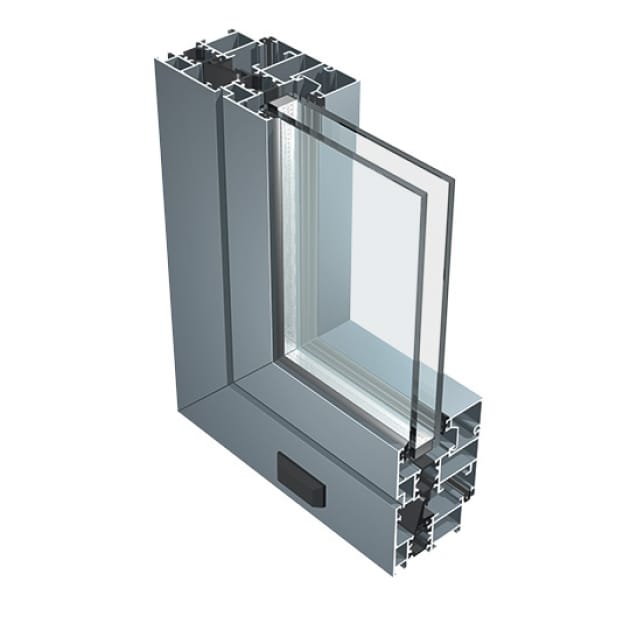
The systems discussed in this guide, cut away to show the profile.
67IW thermally broken casement
A 67 mm thermally broken series for high thermal and acoustic performance, with burglary class RC2. AluK recommends it for replacing old wooden and PVC windows.
uPVC is not as strong as aluminium, which is why frames are often reinforced with metal, and uPVC profiles are wider to compensate. Aluminium’s strength lets AluK offer a 21 mm interlock on Infineo sliding doors, panels up to 3.5 m in height or width, and folding systems with 97 mm symmetrical sightlines (AluK Home product pages). Those numbers are what make floor-to-ceiling glass practical.
For a bedroom window of 1.2 m by 1.2 m, that advantage barely matters. For a 4 m living-room opening with three panels, it matters a lot, because the frame width you see and the weight the hardware carries both change. See aluminium sliding doors and the slimline comparison if sightline is your priority.
SEA AIR, MONSOON, FINISH
Corrosion, finish and rain: what changes near the coast
Neither material rusts like iron. Aluminium relies on its finish: powder coating or anodising. Near the sea, finish class and a rinse routine matter, and coating suppliers publish cleaning intervals that tighten from roughly 12 to 18 months on a low-salt coast to every 3 to 6 months on a high-salt one (Axalta service bulletin). uPVC does not need a coating, but its hardware, fasteners and seals still face salt and monsoon humidity.
Maintenance and lifespan, without invented numbers
Wikipedia’s frame table gives uPVC an average lifespan of 25 to 50 years and rates both materials very low in maintenance. Aluminium is rated good for durability. No independent test settles which lasts longer in Indian coastal conditions, and any page that states a single figure for aluminium or uPVC without a test behind it is guessing.
What does differ is the failure point. For both materials it is usually the hardware, gaskets and installation sealing rather than the frame section. AluK India says its aluminium frames need no repainting and a wash with warm water and household detergent a few times a year is enough. Ask any supplier for written warranty terms for the exact system, including what voids them. Routine care is covered in our window maintenance guide.
A decision list you can apply opening by opening
Use this list room by room. The widths are our rules of thumb, not a standard, and the right line depends on glass weight and wind exposure. Most homes end up with a mix, and that is a legitimate answer.
Choose uPVC when the opening is under about two metres wide, the budget is tight, and a visible frame is acceptable.
Choose uPVC for bedrooms where the heat and noise targets are the main concerns and large glass is not needed.
Choose aluminium for openings wider than about three metres, floor-to-ceiling glass, or corner and pocket configurations.
Choose aluminium where the design calls for slim frames, dark or dual-colour finishes, or a matched look with railings and facades.
Choose aluminium on exposed high-rise elevations, where wind pressure and sash weight both go up.
If you want one material across the house, price the whole set both ways before deciding. Pay most attention to the big openings, where uPVC needs more reinforcement as spans grow.
COST
What the price difference is made of
One consumer-facing vendor guide (JK Cement, indicative and not independent) lists sliding windows at about Rs 450 to 1,200 per sq ft in uPVC and Rs 600 to 2,200 per sq ft in aluminium, varying with profile, glass, hardware, size, installation and location. The overlap is large. A basic aluminium section can cost less than a premium uPVC window, and a thermally broken system aluminium window costs more than either.
So the honest comparison is itemised. Our aluminium window price guide shows how a quotation is built and how to compare two quotes line by line.
Four ways this comparison goes wrong
Comparing unlike specifications
A thermally broken, double-glazed aluminium quote set against a single-glazed non-thermal one is not a material comparison. It is a glass and frame comparison. Fix the glass build-up first, then compare frames.
Assuming uPVC means no upkeep
Hardware, seals and drainage slots need the same attention in both materials. A uPVC window with a blocked sill drain leaks like any other.
Choosing the material before the opening size
Decide width, height and glass weight first. The span usually points to a material by itself.
Judging from a corner sample
A cut corner shows finish and wall thickness, not how a full panel runs. Operate a full-size unit before you order.
Neither wins on every point. uPVC conducts less heat and is usually cheaper; aluminium allows slimmer frames and larger spans. A thermally broken aluminium system with suitable glass can meet most comfort targets. Decide from opening size, exposure and budget.
Bare aluminium conducts heat well, so a sun-facing non-insulated frame can feel warm inside. A thermal break reduces that. Glass choice decides how much heat enters the room in the first place.
Wikipedia’s frame table gives uPVC 25 to 50 years on average and rates aluminium as good for durability. Real life depends on finish, hardware, installation and care. Ask for the written warranty terms for the specific system you are quoted.
uPVC needs no coating, so it is a reasonable coastal choice for small openings. Aluminium works near the sea with a suitable finish and a rinse routine, and is the practical choice for large spans. Ask for the finish class in writing.
Sound reduction depends on glass thickness, laminated interlayers, seals and installation more than on frame material. Check the glass build-up and ask for test data for the assembly, not for the glass alone.
At our Tilakwadi showroom in Belagavi, where full-size sliding, folding and casement systems can be operated. Plan a visit and bring your opening sizes.