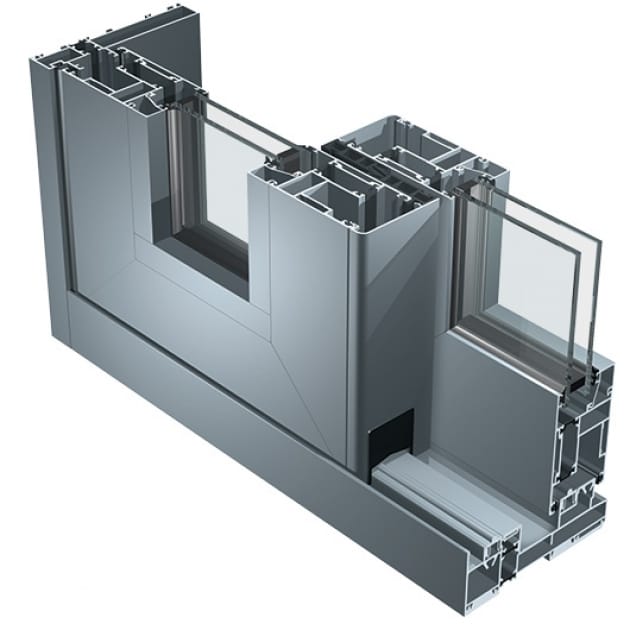
Pick a tested system, make sure the sill drains outward, fit and seal it properly and keep the weep holes clear. If an existing window leaks, check the drainage holes first, then the gaskets, then the perimeter sealant. Leaks usually trace to one of those three.
No. Silicone is part of a perimeter detail, not the whole of it. A durable joint needs a backing material, correct joint width and a sloped, flashed sill. Silicone applied over a gap that moves will crack. Ask your installer what the full detail is.
It is the pressure at which the tested unit let no water through under a stated method. It lets you compare systems tested the same way. It does not guarantee that a window installed in a poorly prepared wall will stay dry, so installation quality still decides the result.
Often, yes, because wind presses the sash onto its seals rather than pulling it open. Outward casements also keep the sill clear inside. They need hardware rated for the exposure, and they can be harder to clean on upper floors, so plan access.
That may be condensation rather than a leak. High humidity meets cooler glass or a cold frame and water collects on the surface. Thermally broken frames and double glazing reduce it. If water appears only during rain and from the sill or corners, it is a leak.
Not necessarily, but they are more demanding. Larger panels flex more under wind and carry more weight on the seals and track. Choose a system designed for the panel size, and check the threshold and drainage detail in the showroom.
Frequently. Clearing drains, replacing gaskets and renewing perimeter sealant resolve many leaks. If the system has no real drainage path or the frame is distorted, replacement is the sounder option. A site visit tells you which applies.